
Fall Prevention: Steady Steps After Your Hospital Stay

Don't Let New Medications Slow You Down
Recent research involving 1.8 million older adults found that people who started a new sedative medication after leaving the hospital had significantly higher risks of falls, emergency room visits, rehospitalization, and death within the first 30 days after discharge.
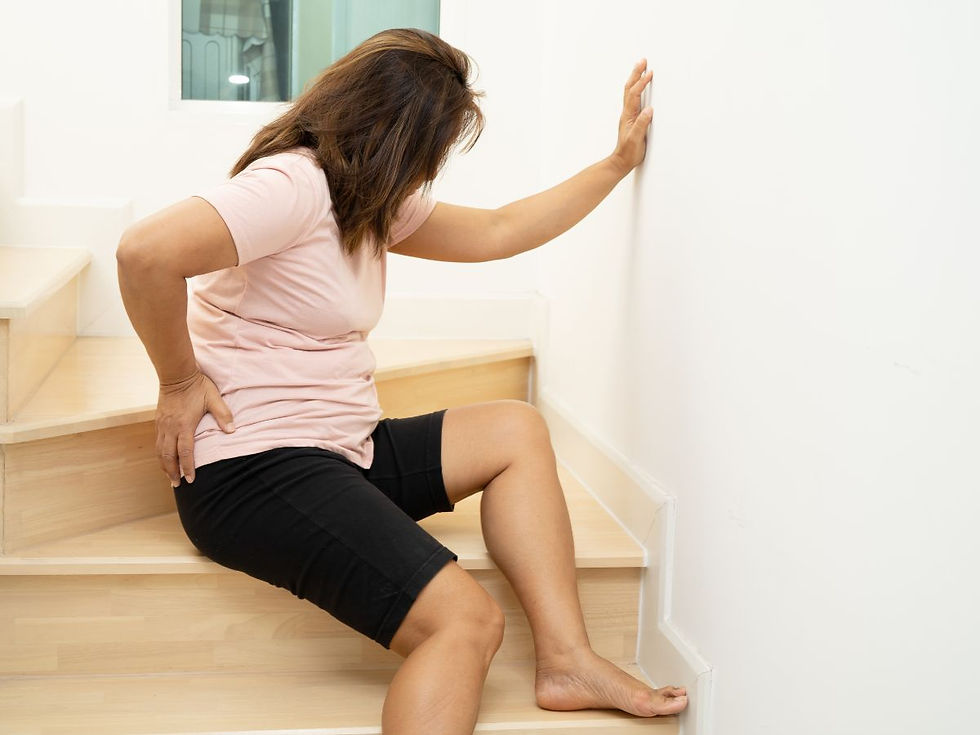
20%
Higher Risk of Falls
20%
Higher Risk of ER Visits
20%
Higher Risk of Readmission
20%
Higher Risk of Death
Why sedatives raise fall risk:
Dizziness & drowsiness
Slower reaction time
Decreased balance
Impaired judgment
Reduced attention
Weakness during walking & transfer
These side effects can make everyday activities more difficult and increase the risk of a fall.
Often prescribed for:
Sleep difficulties
Anxiety or agitation
Delirium during hospitalization
Common sedatives to watch for:
Benzodiazepines:Ativan®, Klonopin®, Xanax®
Antipsychotics: Seroquel®, Risperdal®
Sedating antidepressants: Trazodone, Remeron®
How Outpatient Therapy Can Help with Fall Prevention
Physical Therapy
Balance training
Fall prevention program
Gait & walking assessment
Strength & endurance
Goal: Steady, Confident, Safe Mobility.
Occupational Therapy
Home safety assessment
Bathroom & shower safety
Energy conservation
Daily activity training
Goal: Stay Independent & Safe at Home.
Speech Therapy
Cognitive screening
Memory & attention training
Medication-related monitoring
Goal: Sharper Thinking & Safer Decisions.
Ask Yourself
Have I started a new medication since my hospital stay?
Have I felt dizzy, sleepy, or less steady?
Have I had a recent fall or near fall?
Am I worried about walking or doing daily activities safely?
Outpatient Therapy Evaluation
If you answered YES to any of these questions, an outpatient therapy evaluation may help reduce your risk of falls and improve your safety and independence.
Stay Strong. Stay Independent. Stay Safe.
Talk with your physician about fall prevention and get an outpatient PT, OT, or ST referral today.


Comments